
"flat bean Santos"
200 article(s) found

Introduction to the method of taste treatment in the producing area of sunburn bourbon varieties with South Minas flavor in Brazil
Introduction to the taste treatment of sunburn bourbon varieties with South Minas flavor in Brazil since the introduction of coffee trees from French Guiana (Guyana) in 1720, coffee production has gradually become a science. Before 1990, the Brazilian government carried out strict monitoring of the coffee industry, with both strict intervention and price protection measures, and the state has been implementing minimum price protection measures for farmers to

Boutique coffee-Brazilian Santos (Santos)
Brazilian coffee is cheap and abundant. Brazil produces 30 to 35% of the world's coffee annually, ranking first in the world. Unfortunately, there is a lack of top coffee varieties. Brazilian coffee has average quality, soft beans, and is obviously not resistant to heat in the baking process. Santos is more famous among all varieties. Santos is mellow, neutral, drinkable, and other kinds of coffee beans.

Grinding scale treatment of Brazilian Coffee beans Variety Manor Price in French producing area
Hence the name of the port of Santos. In the first three or four years before the coffee tree began to bear fruit, the beans were small and curved, with excellent flavor, and became Bourbon Santos. After that, the beans became bigger, flat in shape, no longer bent, and became flat bean Santos, and the flavor was not as good as before. In Taiwan, Brazilian coffee can be found everywhere, but most of them are flat bean Santos, in fact, Brazil

Description of the flavor of Brazilian coffee beans with extremely smooth entrance introduction to the taste characteristics of varieties of grindness
Brazilian coffee taste with a low sour taste, with the sweet and bitter taste of coffee, the entrance is very smooth, and with a hint of grass, slightly bitter in the fragrance, smooth and smooth, the aftertaste can make people comfortable and pleasant. There are no outstanding advantages for Brazilian coffee, but there are no obvious drawbacks. The taste is mild and smooth, low acidity, moderate mellow and light.
Boutique Coffee beans Brazilian Santos Coffee beans (Santos)
Brazilian coffee is cheap and abundant. Brazil produces 30 to 35% of the world's coffee annually, ranking first in the world. Unfortunately, there is a lack of top coffee varieties. Brazilian coffee has average quality, soft beans, and is obviously not resistant to heat in the baking process. Santos is more famous among all varieties. Santos is mellow, neutral, drinkable, and other kinds of coffee beans.

A brief introduction to the cultivation of Yellow Bourbon Coffee beans in Brazil
Santos comes from the port of PORTO DE SANTOS, a port in the Atlantic Ocean in southeastern Brazil. Among the coffee exported from the port of Santos, there are Brazilian coffee from different producing areas, of which Minas Gerais is of the best quality. The bourbon of Brazil's Bourbon Santos comes from the BOURBON island of the Bourbon Inambek Coffee Tree.

The advantages and disadvantages of growing coffee in Brazil are suitable for coffee-growing countries in Central and South America.
There are many large farms in Brazil, which run endless coffee plantations. They use machines to harvest and dry them. They are so efficient in automation that they regard coffee as a general agricultural material and completely abandon the flavor and flavor. As a result, many select coffee companies simply do not sell Brazilian beans so as not to demean themselves. In select coffee shops, Santos in Brazil still appears occasionally.

Introduction to the description of the flavor of the varieties and the taste characteristics of Brazilian coffee with extremely smooth entrance
General agricultural materials, completely abandon the flavor and disregard. As a result, many select coffee companies simply do not sell Brazilian beans so as not to demean themselves. In select coffee shops, Brazil's santos coffee still appears occasionally, but it is Bourbon Santos (bourban santos) rather than low-cost flat bean Santos. Santos is a descendant of the Bourbon species, so the port of Santos exports
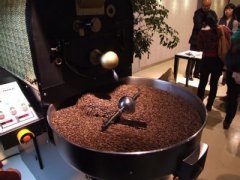
A brief introduction to the history and culture of the origin and development of balanced and supple Brazilian boutique coffee beans
Santos is a descendant of the bourbon species, hence the name for the port of Santos export. In the first three or four years before the coffee tree began to bear fruit, the beans were small and curved, with excellent flavor, and became Bourbon Santos. After that, the beans became bigger, flat in shape, no longer bent, and became flat bean Santos, and the flavor was not as good as before. Brazilian coffee can be found everywhere in Taiwan, but most of them

A brief introduction to the treatment method of grinding degree and baking degree of sweet and bitter Brazilian boutique coffee beans
In select coffee shops, Brazil's santos coffee still appears occasionally, but it is Bourbon Santos (bourban santos) rather than low-cost flat bean Santos. Santos is a descendant of the bourbon species, hence the name for the port of Santos export. In the first three or four years before the coffee tree begins to bear fruit, the beans produced by this kind of coffee tree are small and curved, with excellent flavor and become waves.

Brazilian Queen Manor Yellow Bourbon planting Manor Flavor description Taste treatment method Grinding scale
Brazilian Queen Manor Yellow Bourbon planting Manor Flavor description Taste treatment Grinding scale hence the name of Santos Port exit. In the first three or four years before the coffee tree began to bear fruit, the beans were small and curved, with excellent flavor, and became Bourbon Santos. After that, the beans became bigger, flat in shape, no longer bent, and became flat bean Santos, and the flavor was not as good as before. In the Taiwan area

How to distinguish the advantages and disadvantages of Brazilian coffee beans Brazilian coffee grading system
There are many large farms in Brazil, which run endless coffee plantations. They use machines to harvest and dry them. They are so efficient in automation that they regard coffee as a general agricultural material and completely abandon the flavor and flavor. As a result, many select coffee companies simply do not sell Brazilian beans so as not to demean themselves. In select coffee shops, Santos in Brazil still appears occasionally.

Flavor description of Brazilian South Minas Coffee
Flavor description of Brazilian South Minas Coffee the taste of this coffee tree in the first three or four years, the beans are small and curved, and the flavor is so good that they become Bourbon Santos. After that, the beans became bigger, flat in shape, no longer bent, and became flat bean Santos, and the flavor was not as good as before. Brazilian coffee can be found everywhere in Taiwan, but it is mostly flat.

Flavor description of Brazilian Coffee beans introduction to the varieties treated in the manor area
There are many large farms in Brazil, which run endless coffee plantations. They use machines to harvest and dry them. They are so efficient in automation that they regard coffee as a general agricultural material and completely abandon the flavor and flavor. As a result, many select coffee companies simply do not sell Brazilian beans so as not to demean themselves. In the select coffee shop, there is still an occasional Sandoska in Brazil.
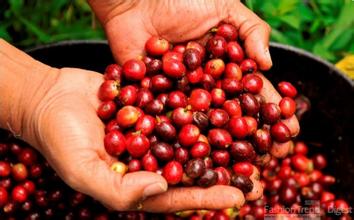
Flavor Description of Brazilian South Minas Coffee Bean Grind Scale Processing Taste
Coffee production has gradually become a science since the coffee tree was introduced from Guyane française in 1720. Before 1990, the Brazilian government strictly monitored the coffee industry, with both severe intervention and price protection measures, and the state has always implemented minimum price protection measures for farmers.

Flavor description of Brazilian Red Bourbon Coffee beans
Flavor description of Brazilian Red bourbon Coffee beans the well-treated sun beans in the manors in the production area are rich in flavor and sweeter, but the sun is easy to have miscellaneous beans, and it is not easy to distinguish between unripe beans. When we choose beans, we usually pick and taste a small amount of beans before a large batch, and then bake and taste a small amount of beans in large quantities, and then determine the beans before and after the cup test.
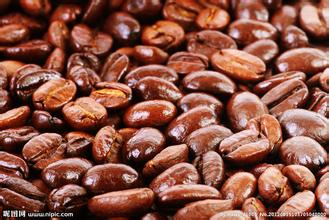
Introduction to flavor description and taste treatment of sun-dried yellow bourbon coffee beans in South Minas, Brazil
Flavor description of tanned Yellow bourbon Coffee beans in South Minas Brazil although coffee is diverse, Brazilian coffee is suitable for the taste of the public. For example, coffee produced in the northern coastal areas has a typical iodine taste, reminiscent of the sea after drinking. This coffee is exported to North America, the Middle East and Eastern Europe. There is also a kind of coffee that is interesting and worth pursuing that has been washed.

The Flavor description treatment of Brazilian Yellow bourbon Coffee Bean Grinding scale Regional varieties
Brazilian yellow bourbon coffee bean flavor description treatment method grinding scale production area variety name: Brazil yellow bourbon Brazil Chacal Estate Yellow Bourbon regulation: 227g raw bean producing country: Brazil: Minas Minas Llicinea manor: waterfall manor species: yellow bourbon grade: 2 d/300gr, 17-18 mesh height: 1200m ~ 1380m

Description of Brazilian Coffee Flavor, characteristics of Grinding degree and introduction of Fine Coffee in producing areas
There are many large farms in Brazil, which run endless coffee plantations. They use machines to harvest and dry them. They are so efficient in automation that they regard coffee as a general agricultural material and completely abandon the flavor and flavor. As a result, many select coffee companies simply do not sell Brazilian beans so as not to demean themselves. In the select coffee shop, there is still an occasional Sandoska in Brazil.

Brazilian Coffee Bean Characteristics Flavor Description Grind Scale Variety Area Treatment
Brazilian Coffee Bean Characteristics Flavor Description Grind Scale Variety Production Area Treatment Brazil is figuratively compared to the giants and kings of the coffee world. There are about 3.97 billion coffee trees, and small farmers now grow 75 percent of Brazil's coffee. Brazil has twice or even three times as many coffee producers as Colombia, which is the world's second largest coffee producer.